
Our Work
Permaculture projects that heal and grow.
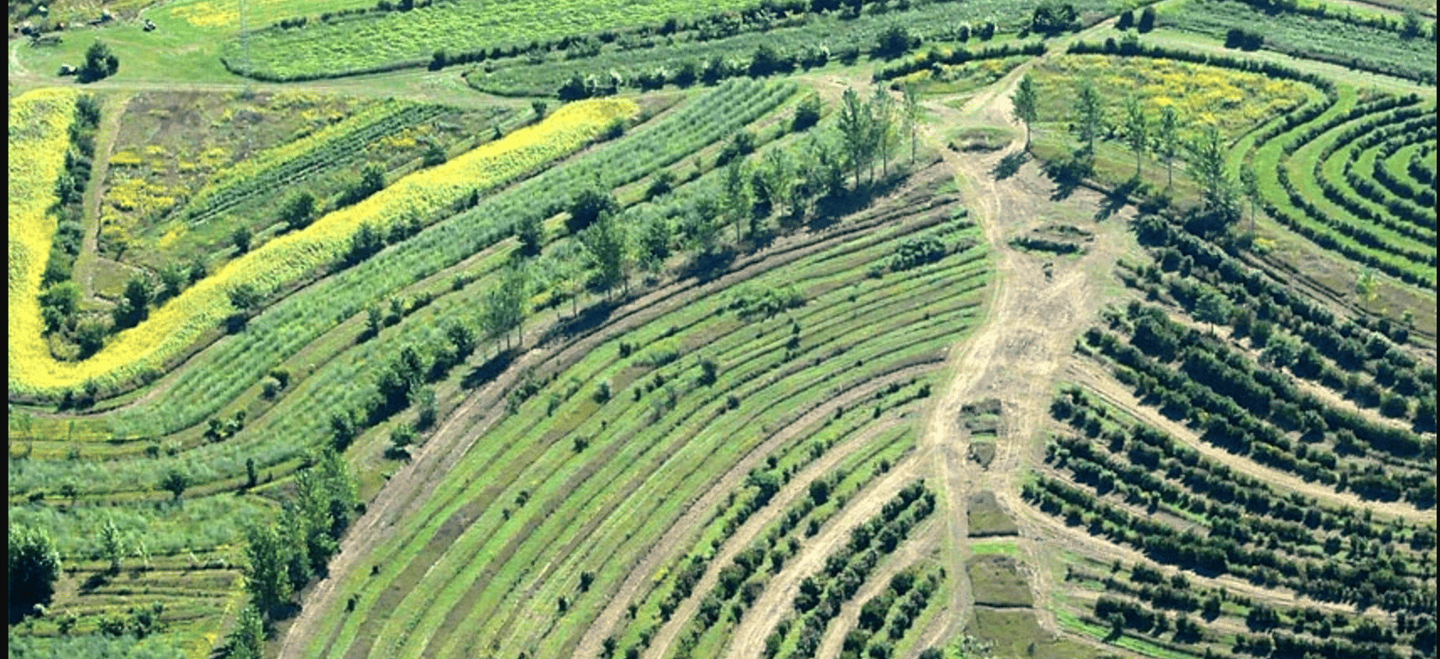
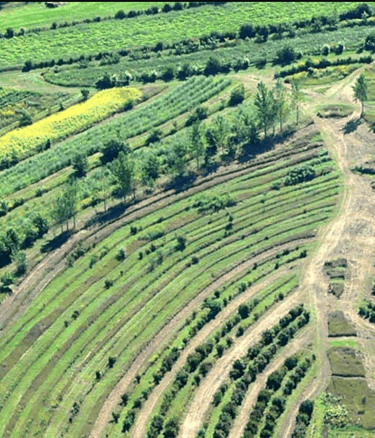
Farms and Orchards
Initial consultation $ 150/225
Typically 2 to 3 and half hour, includes 20 km mileage, Extra mileage will be billed at $ 0.90 / Km.
Design Option 1 and 2 - to be assessed.
A detailed quote will be sent soon after the initial consultation
The design process is tailored to the specific requirements of the customer.
A typical design process is outlined below
1 Observe:
We commence by meticulously observing and analysing your site and its surroundings. This includes examining the climate, topography, soil conditions, water patterns, vegetation, and existing infrastructure. This provides us with a comprehensive understanding of the site's attributes and possibilities.
2 Analyse:
The information collected is thoroughly examined to ascertain the challenges and prospects associated with your site. Subsequently, we take into account the available resources, inherent patterns, and possible micro-climates. An interview is conducted with you to determine your desires, requirements, and objectives.
3 Design goals:
We collaborate with you to precisely outline your project's goals, vision, and objectives, like food production, water conservation, biodiversity enhancement, and community engagement.
4 Zone anaysis:
In order to gain a more comprehensive insight into usage patterns, accessibility, and resource needs, the property will be divided into zones as follows: Zone 0, which generally includes the central living space or residence; Zone 1, the area closest to the residence with the most frequent use. Zones 2 to 5 will then progressively expand outward with diminishing levels of human involvement.
5 Sector analysis:
In the subsequent step, we shall ascertain the external elements that impact the site, including sunlight, wind, water movement, and noise. Assess the advantageous and detrimental effects of these factors and employ them as a reference to determine the arrangement of components in the design. For example, strategically situating tall trees can offer shade and obstruct chilly gusts of wind.
6 Elements and connections
Theb the design will include a wide range of components, including: plants, animals, structures, water features, infrastructure, and more. Our focus will be on understanding the interactions and connections between these elements to establish functional relationships that optimise efficiency. We will consider elements and connections in a manner that reduces waste and enhances beneficial relationships. For instance, we may utilize nitrogen-fixing plants to enhance soil fertility and employ companion planting techniques to promote biodiversity and control pests.
7 Water management
We will implement strategies for effective water administration: collecting rainwater and storing it in reservoirs or containers, and incorporating water-conserving methods such as mulching and swales.
The plan will optimise the use of natural water currents while reducing both runoff and erosion.
8 Soil building
We will finally draft a plan to enhance the health and fertility of the soil by implementing various techniques such as composting, vermiculture, cover cropping, and mulching and others.
By improving the organic matter content, structure, and microbial activity of the soil, we aim to foster robust plant growth and resilience.


Gallery
Snapshots of our permaculture projects bringing soil and life back.


Contact Us
Reach out to start your permaculture journey with personalized guidance.
Contact
Let's chat about your land and vision.
Phone
© 2025. All rights reserved.
022 099 6754